
Loop is by far the best subscription platform we’ve used.
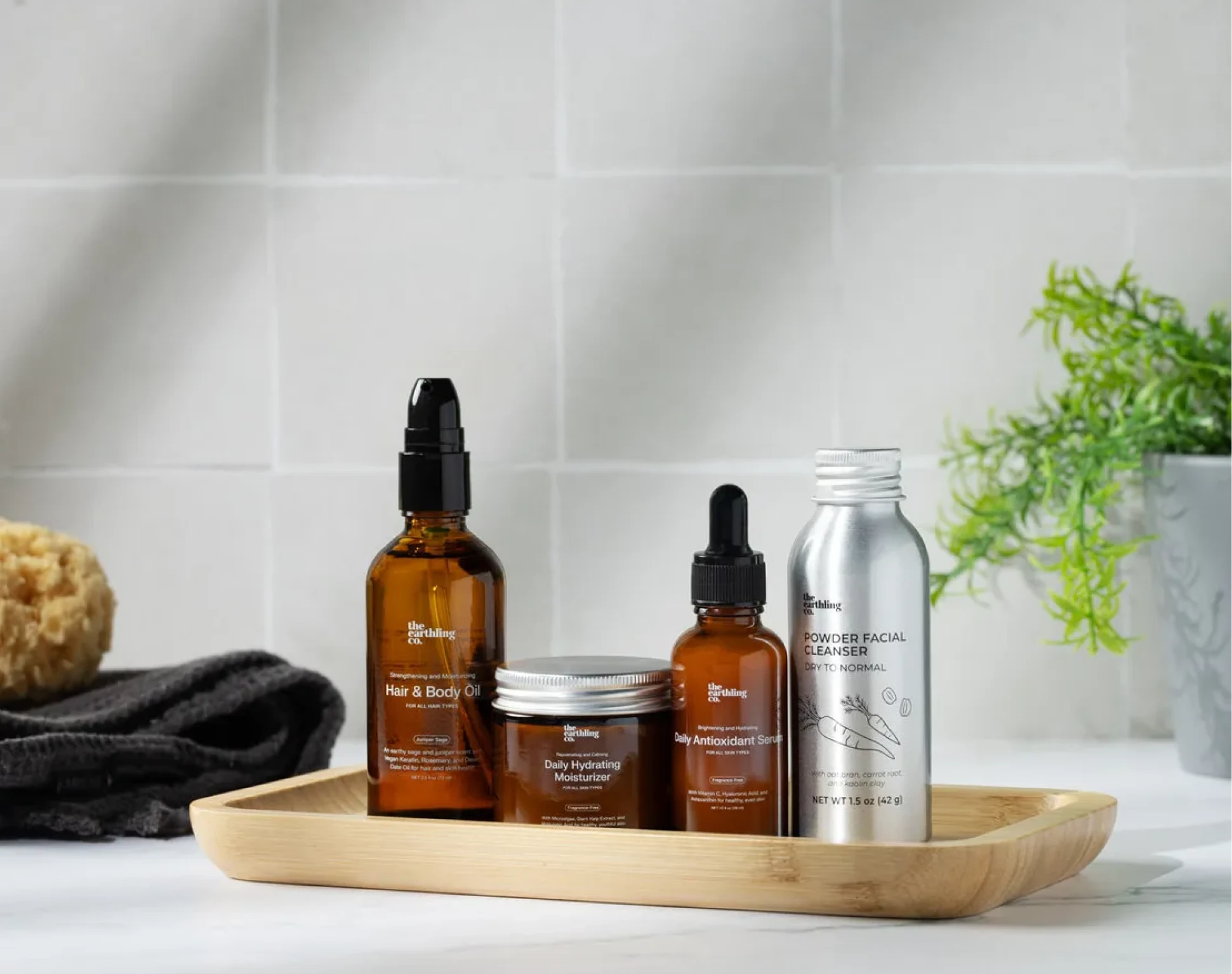
The Earthling Co. makes clinically-studied, low-waste haircare products like shampoo and conditioner bars, body wash, serums and oils that replace the plastic bottles most shower routines rely on. A single bar can last three to eight months, so the entire subscription program runs on flexibility: long delivery gaps, easy skips, easy swaps.
For a product built to last, the subscription has to bend around the customer, not the other way around. In the brand's words, the goal is "to make it as easy as possible for them to manage." That shapes everything: any portal interaction that isn’t obvious becomes a CX ticket, and any flow that requires a login or a discount code quietly leaks revenue. Simple isn’t a design preference here - it’s the retention strategy.
Build-your-own bundles were the brand’s top-selling configuration outside their core shampoo-and-conditioner sub.
But on their previous subscription platform, the setup around bundles had three problems and together they pushed the team to look for an alternative:
None of these was an emergency on its own. Together, they were a tax on every launch - paid in ops hours, dev tickets, and CX tickets from a customer base that just wanted things to work.
What was the team looking for in a new platform? They told Loop directly:
“Our top concerns would be customer experience, our CX team experience with the tool, bundle builder, and then the quick actions.”
The turning point was seeing the exact bundle they were scoping as a dev project already live on another Loop merchant’s store - tiers, toggles, dynamic “add one more, save more” nudges and all, out of the box. Three changes carried the story from there.
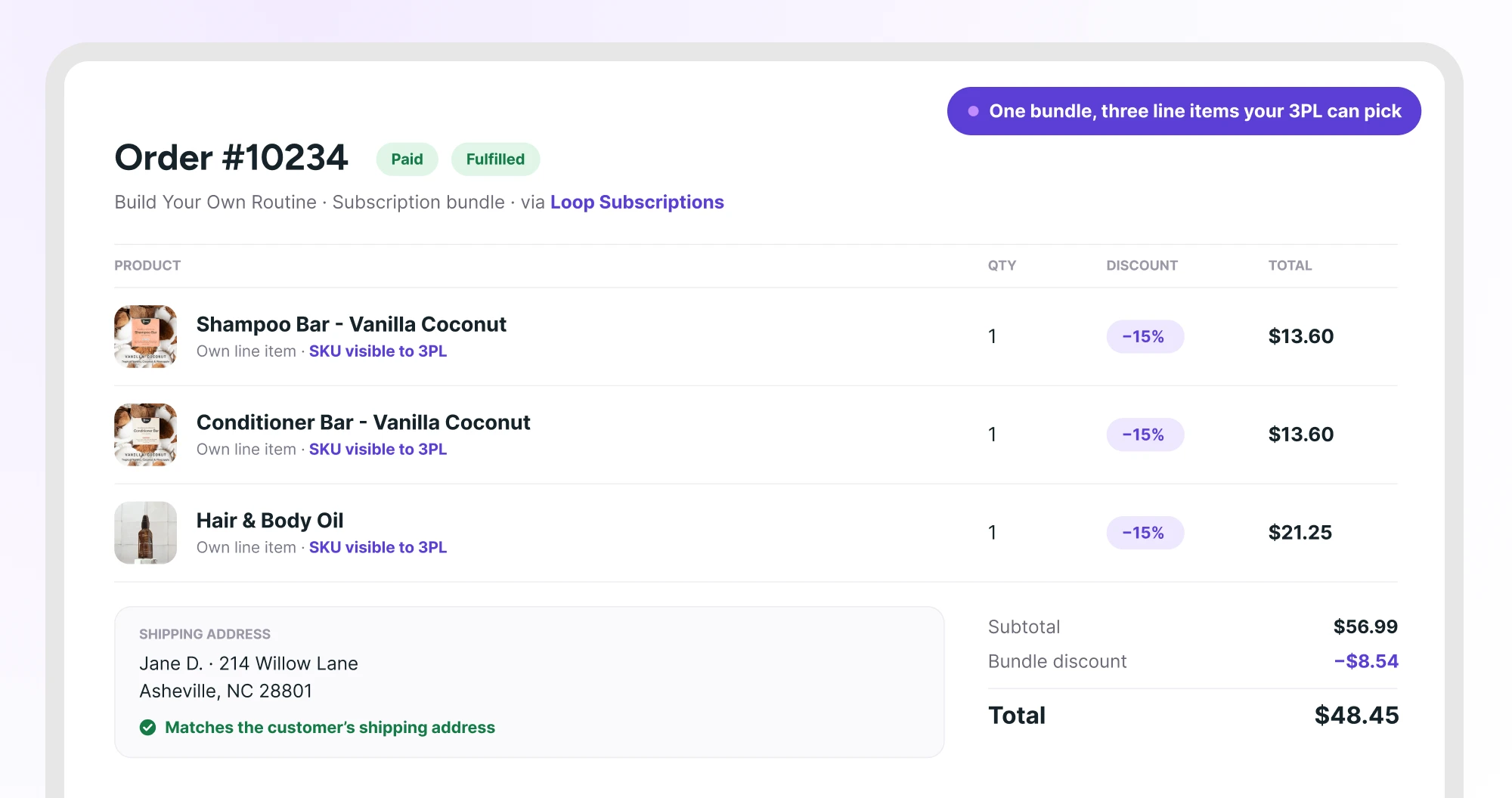
On Loop, a bundle passes to Shopify as independent line items with line-level discounts. Ops sees real products shipping to the real address. Finance sees exactly what was discounted and by how much. No ghost SKU, no manual pushes, no SOP.
The team rebuilt their planned bundle revamp as settings: a subscription/one-time toggle up front, quantity tiers, and percentage discounts that deepen as the box fills — applied on cart value, because their products vary widely in price. The storefront does the persuading mid-flow, nudging shoppers one item away from the next tier.
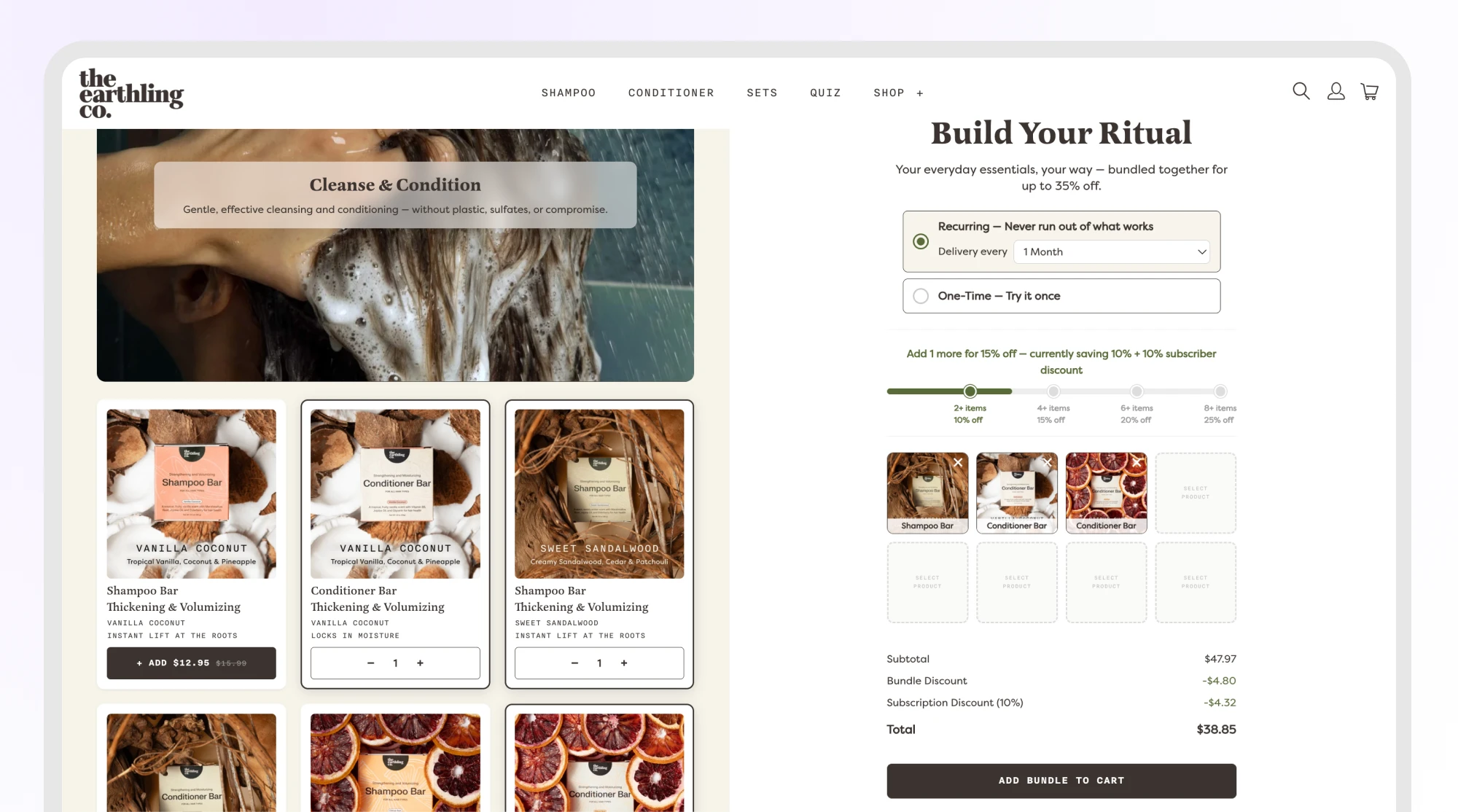
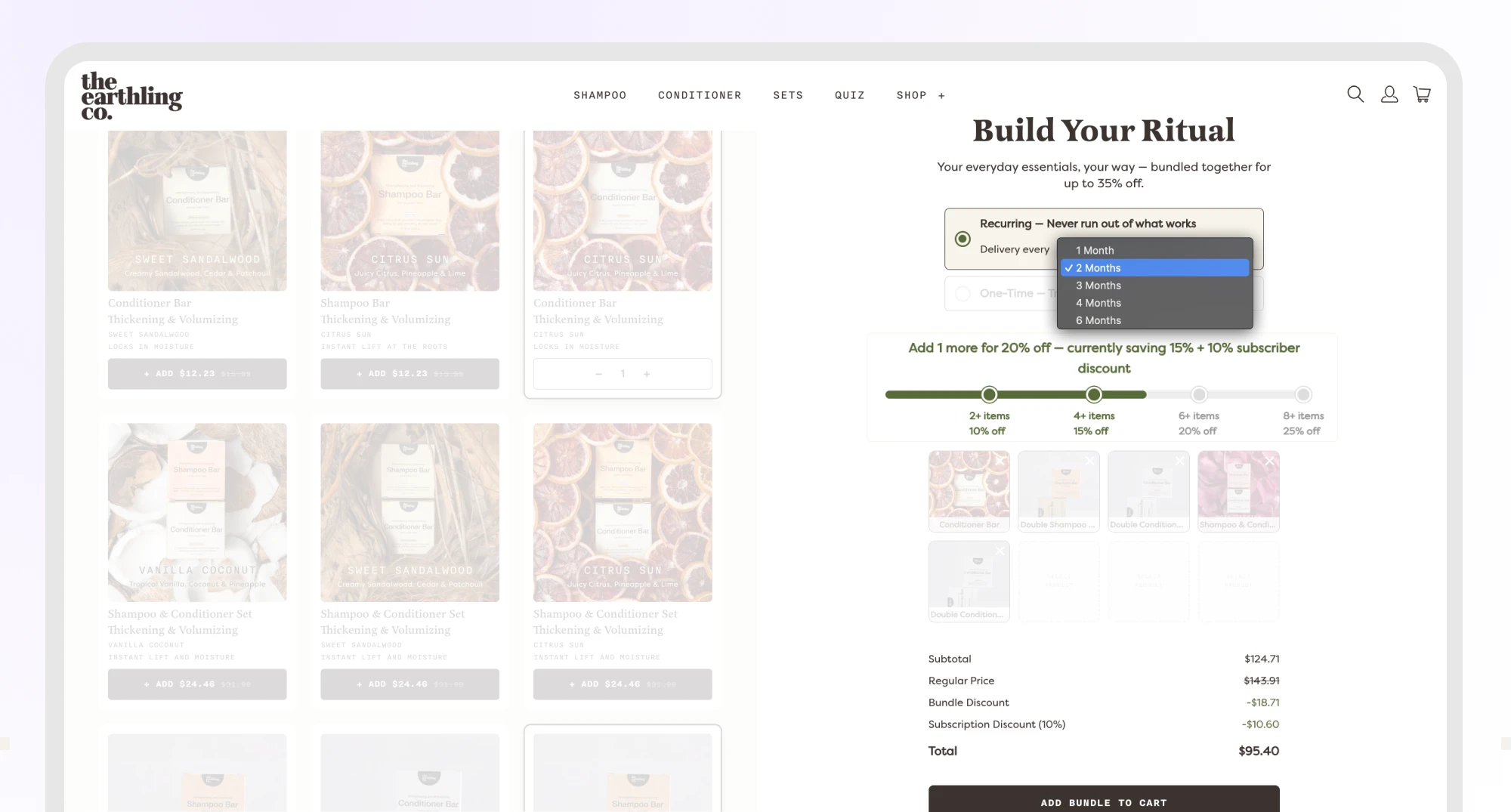
Customers build the whole thing themselves - choose a pack size, pick the products that fill it, set the delivery frequency, and see the savings update as they go. After purchase, editing works the same way: one click in the portal reopens the builder, swaps and quantity changes resave instantly, and volume discounts recalculate on their own. One-click email links now come from a dropdown — pick an action, attach a product and a discount, copy the link. Discounts auto-apply with no login required.
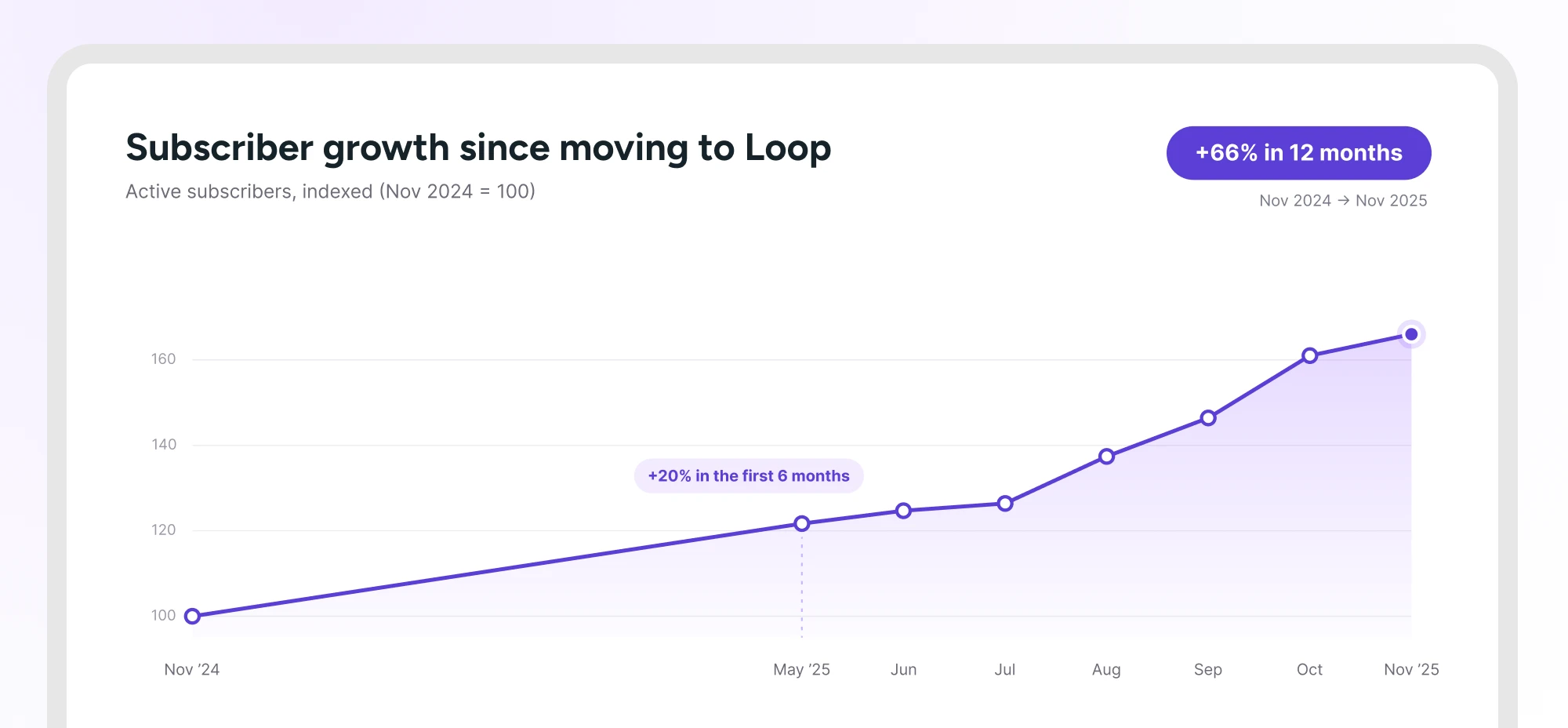
Results reflect The Earthling Co.’s measured experience; outcomes vary by brand, vertical, product, and implementation.
If your best-selling configuration needs a human in the loop to fulfill correctly, you don’t have a bundle strategy — you have a workaround with good revenue. Audit where subscription data degrades between your platform and your backend, price the team-hours honestly, and treat “our team knows how to handle it” as the red flag it is.
The Earthling Co.’s bundle didn’t need a redesign; it needed to become a real part of the order flow. Once it did, the same team-hours went into retention strategies - the work that compounds.