Heart-Health Brand
INDUSTRY
Health & Wellness
MIGRATED FROM
Kaching Subscriptions

How a UK heart-health brand cut first-order churn by 25% in ~2 months on Loop

25%
lower first-order churn
~2x
save rate in 7 weeks
~1 in 4
cancellations saved
CONTENTS
1,100+ brands migrated
What could your subscription business look like on Loop?
See how Loop can help you acquire, grow and retain more subscribers.
Book a Demo ->

“I’d definitely recommend Loop. For any brand that runs on recurring revenue it’s close to a must. If you’re not working on retention the way Loop lets you, you’re leaving real money on the table.”

Founder· UK heart-health supplement brand

TL;DR

  • Starting point: A UK heart-health supplement brand for people over the age of 50. Most customers subscribe on their very first order, and the brand invests in acquiring them because a subscriber is worth far more over time than a one-time buyer.
  • Challenge: Active subscribers kept growing while MRR stayed flat. Subscribers were dropping off on the second order, before the CAC was paid off. The brand had no proper cancellation flow and little insight into why people left.
  • Solution: Meet each subscriber where they are. Loop shows a personalized cancellation flow/benefits page based on the subscriber’s order count, and then offers alternatives based on the cancellation reason selected. Dunning runs quietly in the background recovering failed payments.
  • Result: In the 7 weeks since the cancellation flow went live, the brand measured 25% lower first-order churn, a save rate that more than doubled, and ~4x more MRR saved by the cancellation flow. More than 1 in 4 early subscribers who tried to cancel chose to stay.
02

About the brand

This brand makes heart-health supplements for people over the age of 50 in the UK. A heart-health routine only works if people stick with it, so the subscription is how the brand sells.

Like many DTC brands scaling on paid ads, it spends more to acquire a customer than their first order brings in. It accepts that because a subscriber’s LTV is far higher than a one-time buyer’s, but the trade-off only pays off if subscribers stay past their first few orders.

03

The Challenge: Losing early subscribers without the tools to stop it

1. Growing subscribers while MRR stayed flat

When acquiring a subscriber costs more than their first order brings in, the early orders decide whether the subscription model works. Unfortunately, that’s where the brand was losing people: new subscribers kept arriving, but too many dropped off on the 2nd order, so MRR stayed flat while the subscriber count grew.

“We realised we were growing active subscribers while MRR stayed flat. That’s a leaky bucket, and we needed a platform built to plug it.” — Founder

2. Limited tools and capability to prevent churn

On its previous platform, the brand had no proper cancellation flow, limited dunning, and not much insight into why people left. Payment recovery from involuntary churn was limited too, so a declined card usually meant a lost subscriber.

Additionally, switching platforms carried its own risk. One of the brand’s biggest worries was losing subscribers in the move.

04

The Solution: How the brand plugged churn at both ends

✓ A cancellation flow personalised by order count and reason

Every subscriber who tries to cancel goes through the same steps, in the same order. What changes is what they see at each step:

  • Step 1 depends on order count. They see one of three “before you cancel” benefit pages, for 1–2, 3–4 or 5+ orders.
  • Step 2 depends on their reason. If they continue, they pick why they’re leaving (like “I already have plenty” or “My needs have changed”) and get alternatives that fit, such as pausing, skipping, pushing back a delivery or a retention offer.

Additionally, the brand put the most work into the benefits page for subscribers with 1–2 orders, because they had identified that this was one of their biggest churn hotspots. That page is built around one idea: “it’s too early to judge”. This page: 

  • Shows them where they are. It greets the subscriber by name and tells them which order they’re on.
  • Resets the expectation. The product builds up over weeks of daily use, and most people give it two months before deciding.
  • Makes the cost of leaving concrete. Subscribers keep a locked-in price below the one-off price, and a progress bar shows a free subscriber gift waiting at the third order.
  • Offers better alternatives to cancelling. Push the next delivery back, skip one, or switch to every two months.
  • Uses loss-aversion framing. The buttons read “My heart health can wait.”

✓ Dunning that runs in the background to recover revenue

For involuntary churn, the brand matched its retries to why a payment failed:

  • Soft declines get time before they get a message. The card is retried quietly over the first few days, so a temporary issue gets the chance to resolve on its own before the customer is asked to do anything. Only if the retries keep failing does the brand email them, with an incentive to update their card.
  • Hard declines get a prompt early. These need the customer to act, so the brand asks sooner, and with a bigger update-card incentive.
  • Pause, don’t cancel. If the payment still fails through retries, then the subscription is paused so that brand can run reactivation campaigns to make it active again

“Before, a declined card often just meant a lost subscriber. Now we have retries, backup payment methods and a recovery journey running on their own… That runs in the background and I barely think about it anymore.” — Founder

An added win: A smooth migration to Loop

The brand migrated quietly and kept customer-facing notifications to a minimum. Loop’s onboarding team moved the subscription data across and shared a clear step-by-step plan. Almost 2,000 subscriptions moved over, and only a handful needed manual attention.

“The migration itself is the easy part, the Loop team really knows what they’re doing there.” — Founder

05

Impact

Comparing the seven weeks before the new cancellation pages went live with the seven weeks after (Aug–Nov 2026), the brand saw:

  • First-order churn down 25%, and third-order churn down 27%.
  • Its overall save rate more than doubled, from ~11% to ~26% of subscribers who started to cancel.
  • ~4x more MRR saved by the cancellation flow.
  • More than 1 in 4 early subscribers (1-2 orders) chose to stay when they reached their benefits, against ~20% at 3–4 orders and ~9% at 5+.

The brand’s subscription programme now keeps more subscribers through their first orders, the stretch where its model starts to pay off, rather than relying only on adding new ones.

“Most of the saves come from customers early in their subscription, exactly where we used to lose the most. That translates into thousands in saved MRR every month, which for a subscription business is real money.” — Founder

Results reflect the brand’s measured experience; outcomes vary by brand, vertical, product, and implementation.


06

Takeaways for DTC Operators

  1. Find your churn hotspot. Look at when subscribers leave, not just how many, and focus your cancellation flow on that moment.
  2. Personalise the cancellation flow as per the subscriber’s journey. Someone one order in is still deciding whether the product works, so show them how long results take and what’s coming next. A long-time regular needs a different reason to stay. Build a cancellation page for each stage, and track which one saves the most.
  3. Let retries do the work before you email. Retry often, email rarely, and pause rather than cancel when you run out of attempts.
MORE CUSTOMER STORIES
Jun  2026
Retention
OSEA Malibu slashed churn from 10% to 5%, while upsell revenue contribution grew from 4.5%
to 6.8%
Found Loop to be the best fit after extensive testing and achieved a seamless migration in 2 weeks from Recharge.
March 2026
Growth
Good Protein’s subscribers grew by 12x (~6k to 72k), subscription revenue grew by 10x (<$500k/month to >$5M/month).


All while keeping churn under 5%, placing them in the top 10% of brands on Loop.
500+
BRANDS MIGRATED
2 wks
AVG. MIGRATION TIME
See what this looked like for a brand like yours.
Jun 2026
Retention
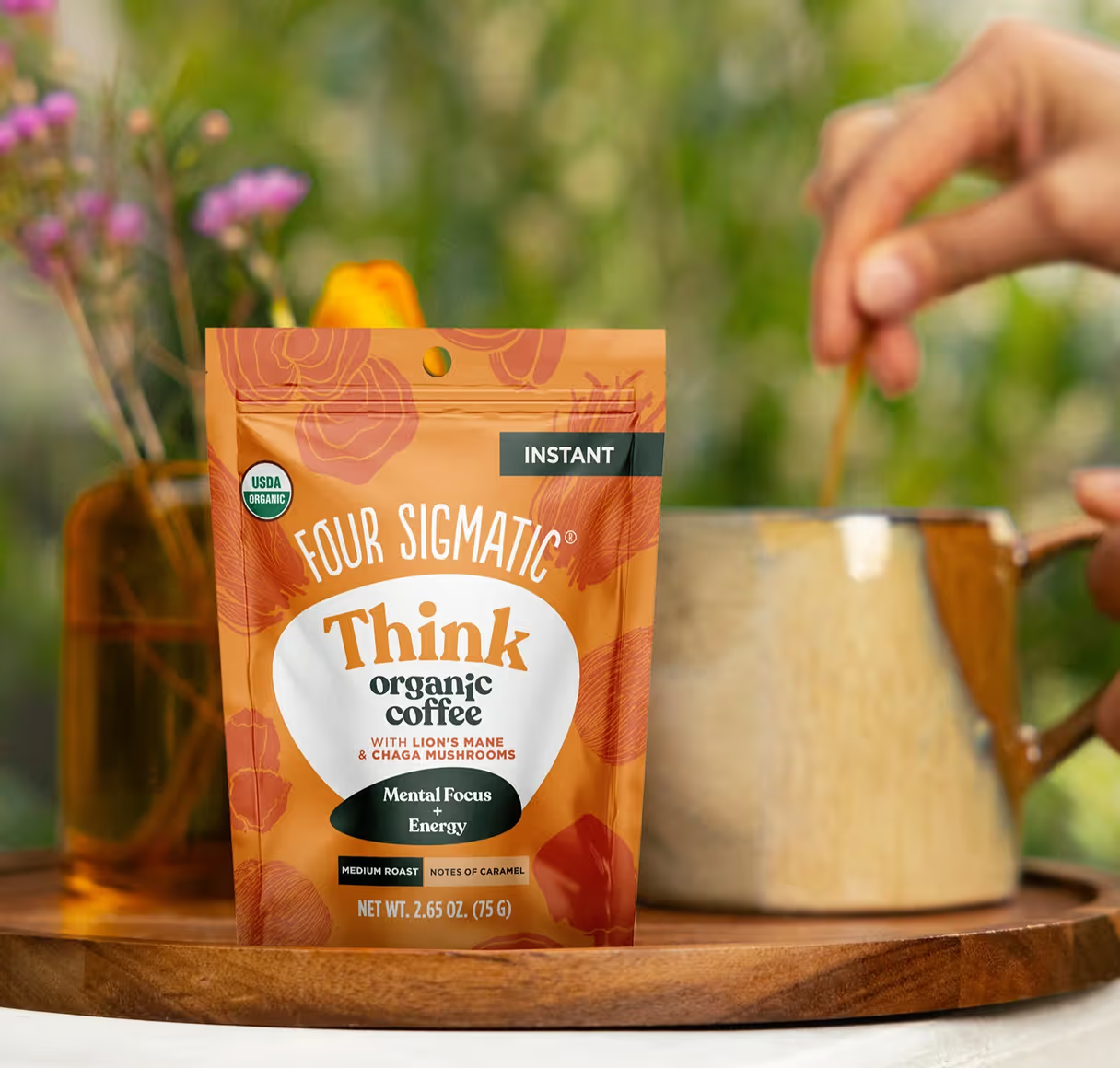
Four Sigmatic measured 90% rise in subscription cancellation save rate