Chargebacks are a significant concern for Shopify merchants, as they can lead to lost revenue, additional fees, and even long-term damage to relationships with payment processors. Whether you're new to eCommerce or an experienced seller, understanding how debit card chargebacks work—and how to prevent them—can help protect your business from unnecessary financial losses.
This guide takes a deep dive into debit card chargebacks, providing actionable strategies, resources, and best practices to help you minimize disputes and successfully navigate the chargeback process.
A chargeback occurs when a customer disputes a transaction with their bank, leading to the reversal of the payment that was initially credited to your account. The chargeback system was designed to protect consumers from fraudulent or incorrect transactions. However, for merchants, chargebacks can result in:
Understanding why chargebacks occur can help you prevent them before they become a problem. Here are some of the most common reasons for debit card chargebacks:
Customers may claim that their debit card was used without authorization, leading to an automatic chargeback.
Prevention Tip: Use fraud detection tools such as Shopify Fraud Analysis, Address Verification Systems (AVS), and Card Verification Value (CVV) checks.
A customer disputes a charge because they did not receive the product or service they paid for.
Prevention Tip: Provide tracking numbers and delivery confirmations, and use signature verification for high-value orders.
If the item does not match the description on your website, a customer can request a chargeback.
Prevention Tip: Ensure accurate product descriptions, high-quality images, and clear refund policies to set proper expectations.
Sometimes, customers are charged multiple times for the same transaction due to technical glitches or processing errors.
Prevention Tip: Regularly review your payment processing system and provide an easy refund process for mistaken duplicate charges.
Chargebacks follow a structured process involving multiple parties, including the customer, merchant, bank, and payment processor.
The customer contacts their bank to dispute the transaction, claiming fraud, an error, or another issue.
The bank reviews the claim and, if deemed valid, reverses the transaction, deducting the amount from the merchant's account.
You will receive an official chargeback notice, including the reason code explaining why the dispute was initiated.
If you wish to contest the chargeback, you must submit supporting evidence proving the transaction was legitimate. This can include:
The bank reviews the evidence and either rules in your favor (returning the funds) or upholds the chargeback.
Timeframe: Chargeback cases can take anywhere from a few weeks to several months to resolve.
Taking proactive measures can significantly reduce chargeback rates. Here are key strategies to implement:
Keep thorough documentation of all purchases, including receipts, invoices, and shipping confirmations.
Avoid misleading descriptions. High-quality images and detailed specifications reduce disputes.
Customers who can easily reach you to resolve an issue are less likely to file chargebacks. Offer multiple contact options (live chat, email, phone).
Make your policies clear and accessible to customers before they complete a purchase.
Provide order tracking and notify customers of any delays.
Use chargeback reason codes to identify patterns and address recurring issues.
If you believe a chargeback is invalid, follow these steps to dispute it effectively:
Each chargeback has a reason code that explains why it was initiated. Knowing the reason helps you craft a strong response.
Collect and submit all relevant documents, such as:
Write a concise, professional letter addressing the dispute and include all supporting evidence.
Chargeback disputes have strict submission deadlines set by banks. Missing them means automatic forfeiture of funds.
The tactics above work at the store level — your product pages, your fraud checks, your refund policy. There's a second layer most merchants only look at after something breaks: how your checkout, transaction data, and billing setup look to your processor and acquiring bank.
That's the layer payment compliance specialists like Compaytence work on. They audit checkout flow, transaction data, and bank policy to find what's driving disputes upstream of the chargeback, then work with merchants to close the specific gaps the audit surfaces. They also work with a network of banking and processing partners, which matters if your current setup isn't a fit for your risk profile.
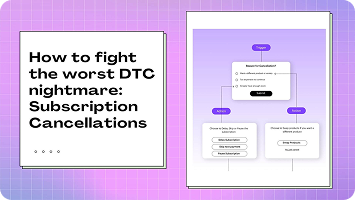
For subscription brands this layer tends to matter more than it does for one-time-purchase stores: every renewal is another chance for an unrecognized billing descriptor or a forgotten enrollment to turn into a fraud-coded dispute — which is why retry logic and cancellation flows sit closer to your compliance posture than most merchants assume.
Shopify provides resources to help merchants handle chargebacks more efficiently.
Shopify Protect offers chargeback protection for eligible transactions at no extra cost, covering fraudulent chargebacks and associated fees.
Learn more here: Shopify Protect
A detailed resource on chargeback prevention and dispute resolution.
Check it out here: Shopify Help Center
Chargebacks are an inevitable challenge for online businesses, but by implementing proactive measures, you can reduce their frequency and impact.
By staying informed and leveraging Shopify’s tools, you can protect your revenue and ensure smooth transactions for your customers.
Need help managing chargebacks?
Check Shopify's support or consult with your payment processor for tailored advice.