.avif)

TL;DR
Cart upsells, post-purchase upsells, and one-click post-purchase upsells are all valuable tools — but they work differently. Cart upsells raise the average order value (AOV) before checkout. Post-purchase upsells add incremental revenue without risking the sale. One-click upsells tend to get the highest acceptance rates because they require no re-entry of payment details. The best results come when brands use a hybrid approach: cart upsells for order value + one-click post-purchase upsells for incremental revenue.
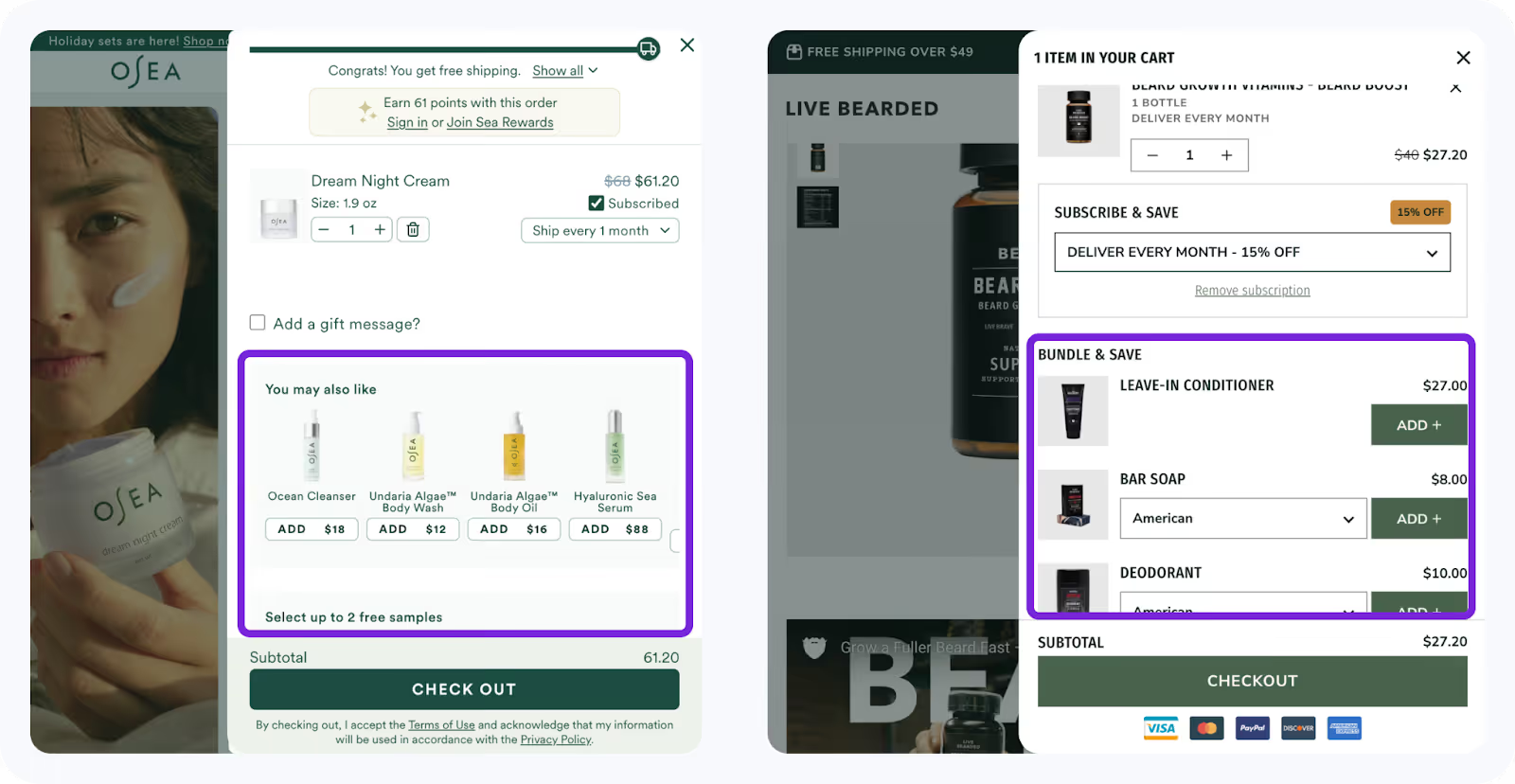
Offers shown on the cart page or cart drawer before checkout — ideal for bundles, add-ons, or upgrades.
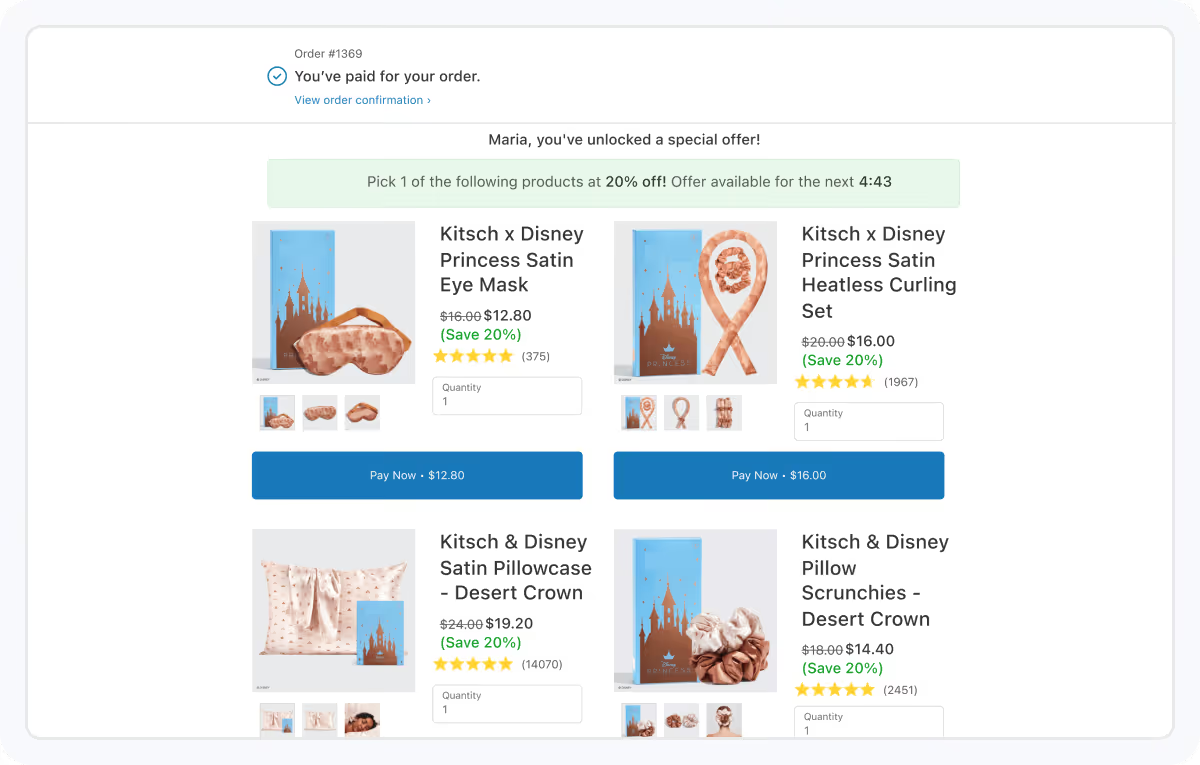
Offers presented immediately after checkout (e.g. on thank-you page) — after payment is confirmed.
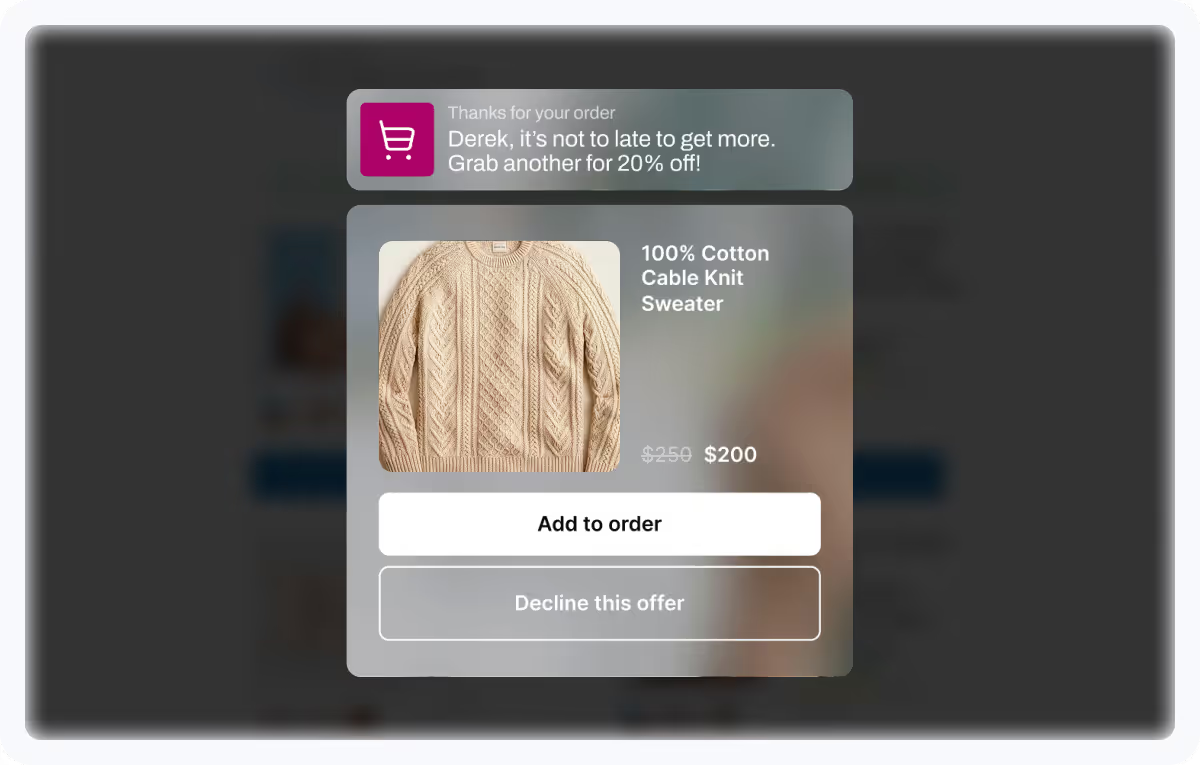
A type of post-purchase upsell where customers add an extra item via a single click — no re-entering payment info.
Key takeaway: one-click post-purchase upsells reliably deliver incremental revenue, while cart upsells maximize the value of the primary transaction. The optimal approach blends both.
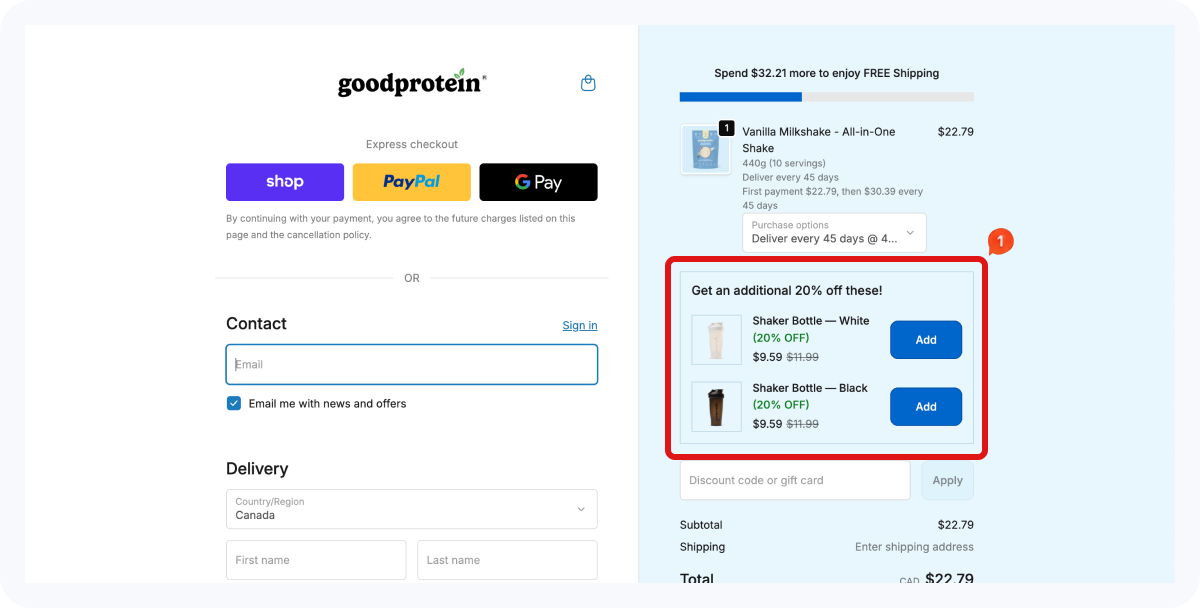
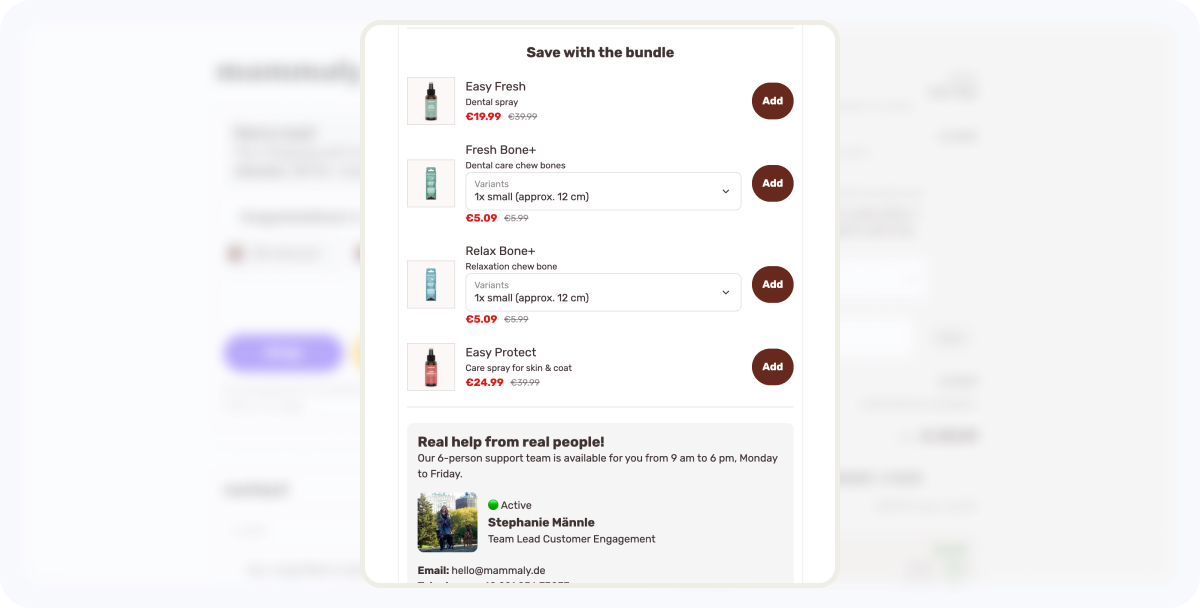
For stores selling replenishable or recurring products (beauty, supplements, pet care, etc.), combining upsells with subscriptions can turn a one-time AOV increase into recurring revenue and higher lifetime value.
A tool like Loop Subscriptions supports one-click upsells, recurring bundles, and subscription flows — helping convert upsell revenue into predictable long-term income.
This means the extra AOV from upsells doesn’t just boost immediate revenue — it becomes recurring, compounding over time.
This captures value at multiple points — maximizing each customer’s lifetime revenue potential.
Q. Which upsell type converts best on average?
One-click post-purchase upsells — because post-purchase friction is minimal, they typically deliver the highest acceptance rates.
Q. Is cart upsell still worth doing if you use post-purchase upsells?
Yes — cart upsells maximize the value of the current order, while post-purchase upsells generate incremental revenue after the sale. Together, they maximize total revenue per customer.
Q. What kinds of products work best for upsells?
Complementary items, add-ons, or upgrades: e.g. accessories, bundle items, consumables, or subscription-eligible products.
Q. Do upsells risk hurting checkout conversion?
Only if they’re irrelevant or too aggressive. Keep offers simple, relevant, and user-friendly.
Q. How do I measure upsell performance?
Track upsell acceptance rate, incremental revenue, AOV lift, and overall checkout conversion rate.
Q. Can one-click upsells be delivered through email?
Yes. Interactive email tools like Zaymo let subscribers accept a one-click offer inside the inbox, which works especially well for renewal and billing reminder emails where the card is already on file.