.avif)

Most subscription apps were built for simple "subscribe and save" on a single product. Beauty doesn't work that way.
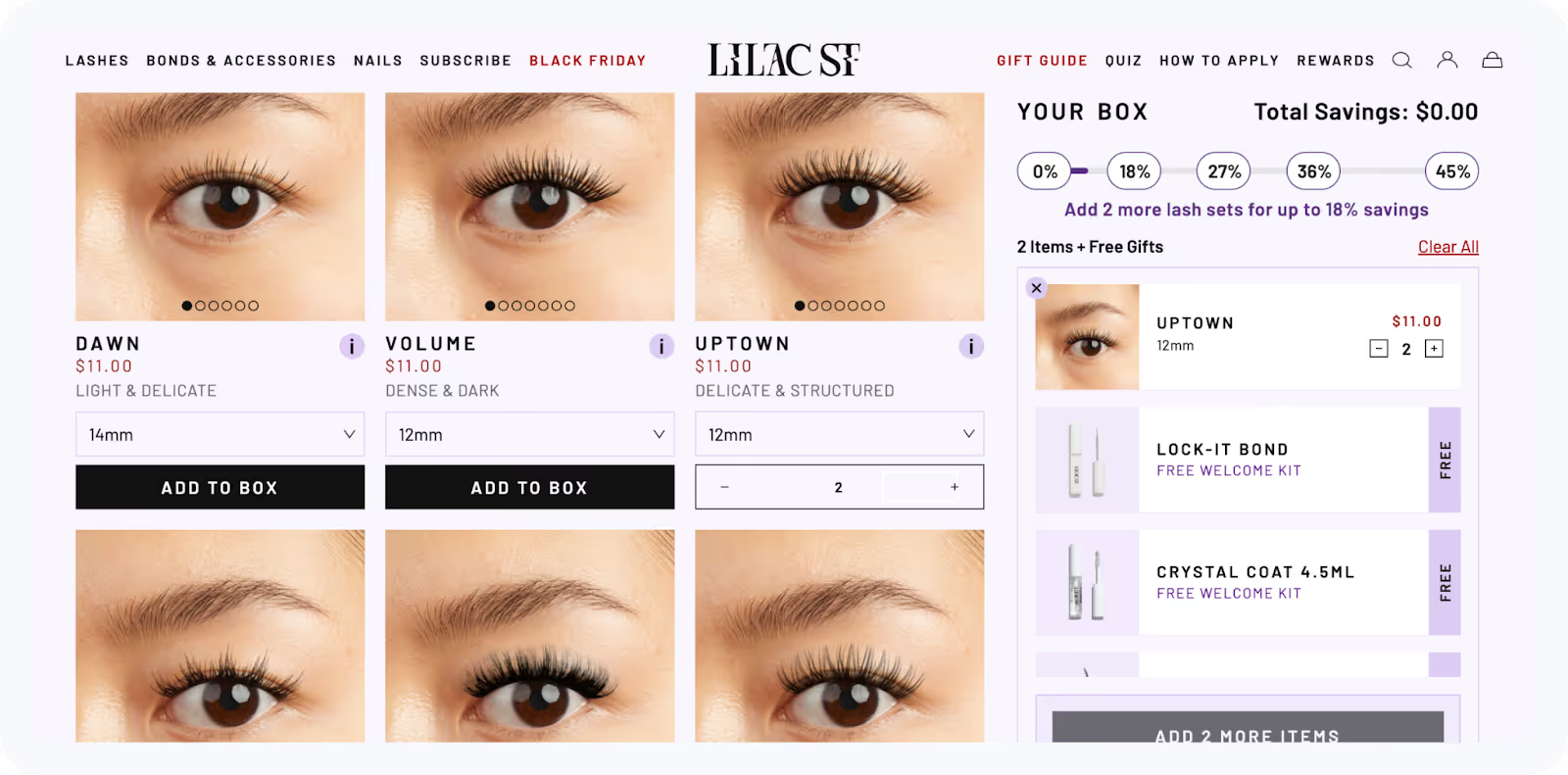
When Lilac St. came to Loop, they were running a custom setup where each lash length (10mm, 12mm, 14mm, 16mm) appeared as a separate line item in the customer portal. Subscribers building their ideal lash wardrobe saw a cluttered mess instead of a cohesive bundle.
Loop's Range Bundles let Lilac St. create a single subscription where customers pick multiple variants—all managed under one clean bundle ID. Subscribers swap out lengths, add new styles, or remove products they're not using. All self-service.
The result? A 13% immediate conversion rate increase because the experience finally matched how customers actually shop.
A daily cleanser might last 30 days while a serum lasts 60. An eye cream could stretch to 90+.
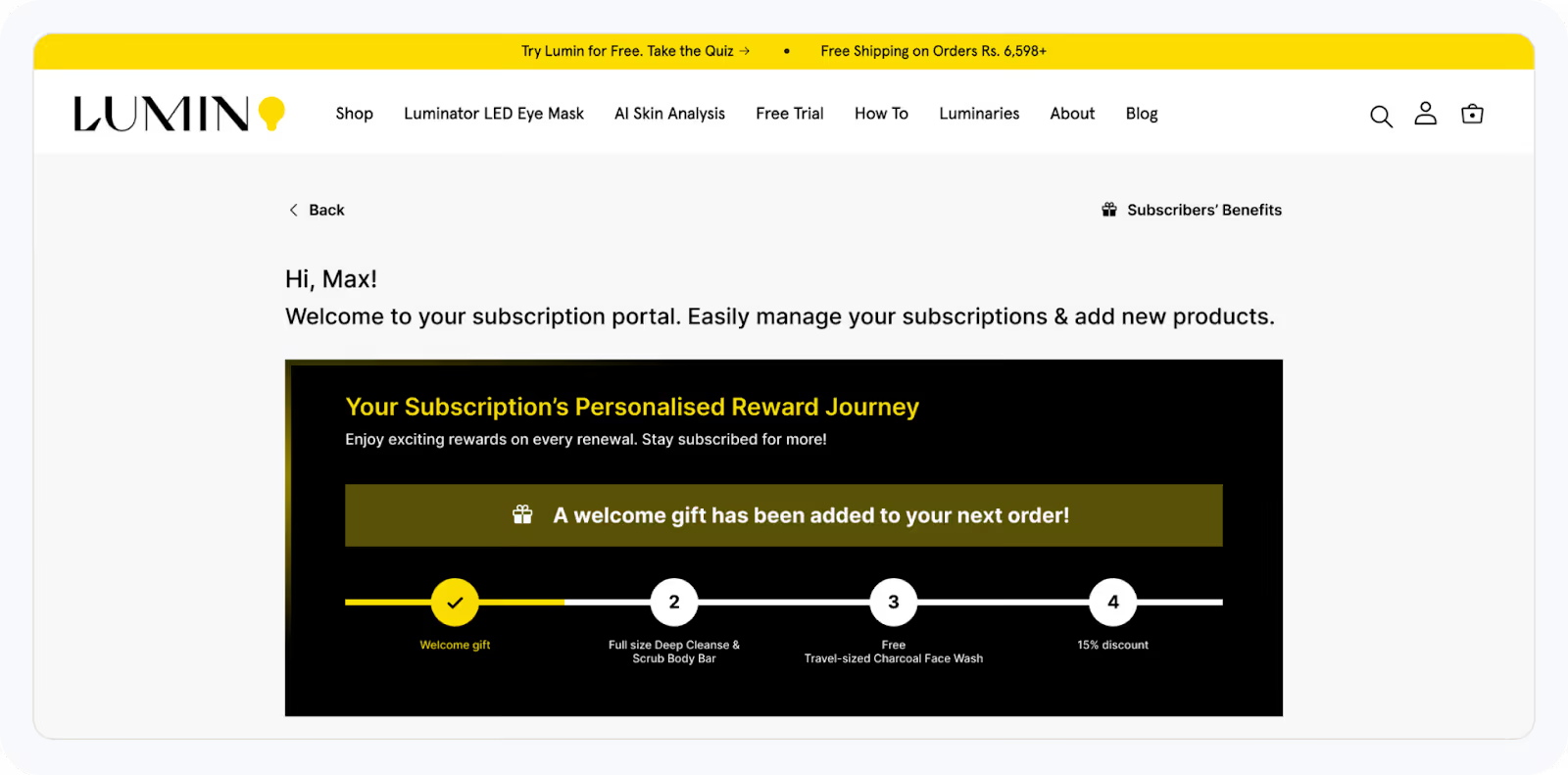
At Lumin, they solved this with Loop Flows that automatically transition subscribers from trial sizes to full-size products when the timing is right. A customer signs up for a trial kit. After they've had enough time to use it, Loop automatically swaps their subscription to full-size products—no manual intervention, no awkward upgrade emails.
Combined with smarter payment recovery and retention programs, Lumin saw a 17% revenue increase from existing subscribers.
Ever Eden faced a classic dilemma: how do you offer compelling discounts without devaluing a premium baby skincare line?
Their solution: dual pricing. 20% off the first subscription order (substantial enough to overcome hesitation), then 15% ongoing (sustainable and premium-feeling). They also implemented promotional period protection—when they run site-wide sales, existing subscribers automatically get the sale pricing too.
This balance helped Ever Eden achieve 8X subscription growth in 3 months—during December, traditionally the slowest subscription season.
Look at why people actually cancel: "I have too much product." "It's too expensive right now." "I want to try something different."
These aren't goodbyes—they're objections. OSEA Malibu had fewer than 30% of subscribers making it past order 3. The product was great—subscribers just couldn't see the value of staying.
Loop's cancellation flows changed that with a 3-layer approach: show what they're giving up, understand why they're leaving, then offer a personalized solution. "Too much product" gets a skip option. "Too expensive" gets a discount scaled to lifetime value.
OSEA cut churn from 10% to 5% in six months.
At scale, failed payments aren't minor—they're a significant revenue leak.
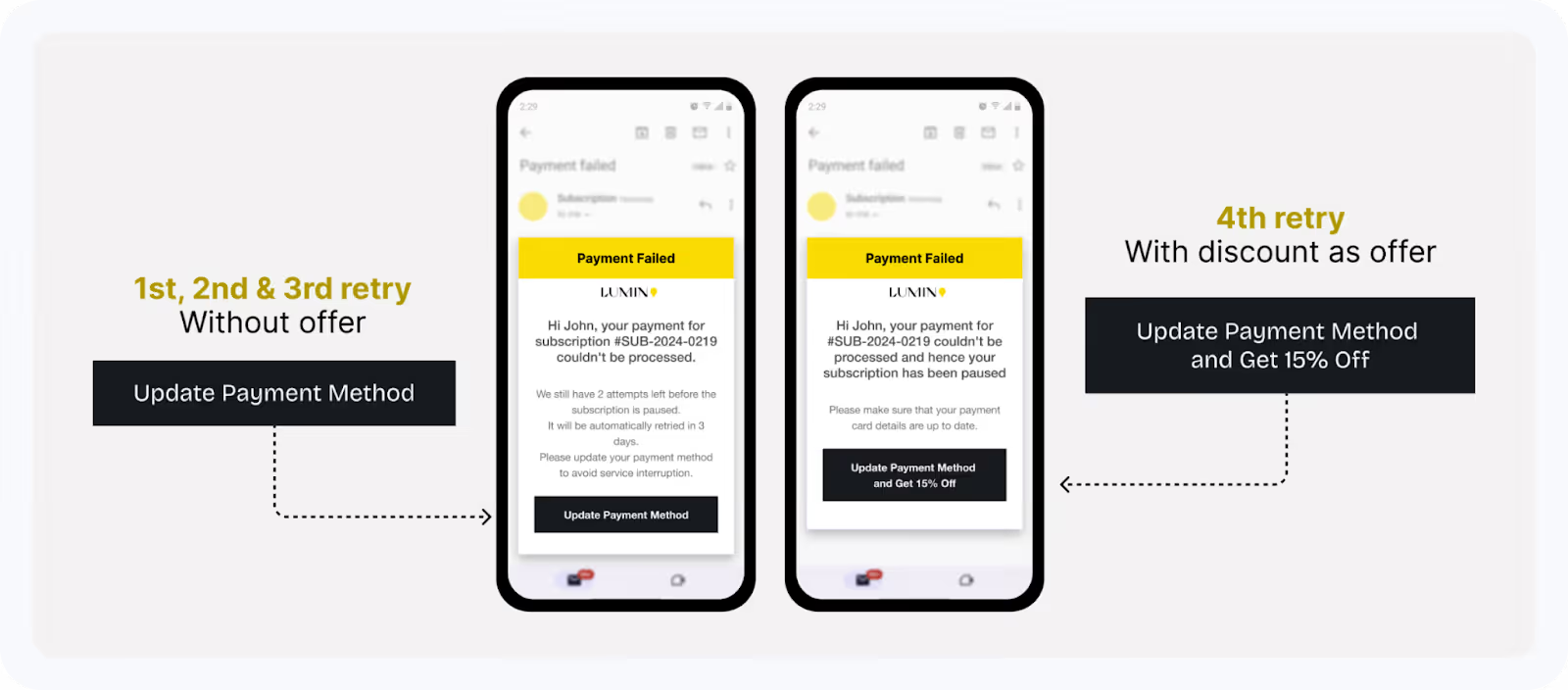
Loop's Smart Dunning uses up to 15 retry attempts with payday-aware timing and one-click card updates. For Lumin, payment recovery alone contributed 12.6% of their 17% quarterly revenue increase.
Loop's Bundle Builder lets you set minimum/maximum items, allow multiple variants within a single bundle, and apply tiered discounts that reward bigger orders. Everything shows as one clean bundle in the portal.
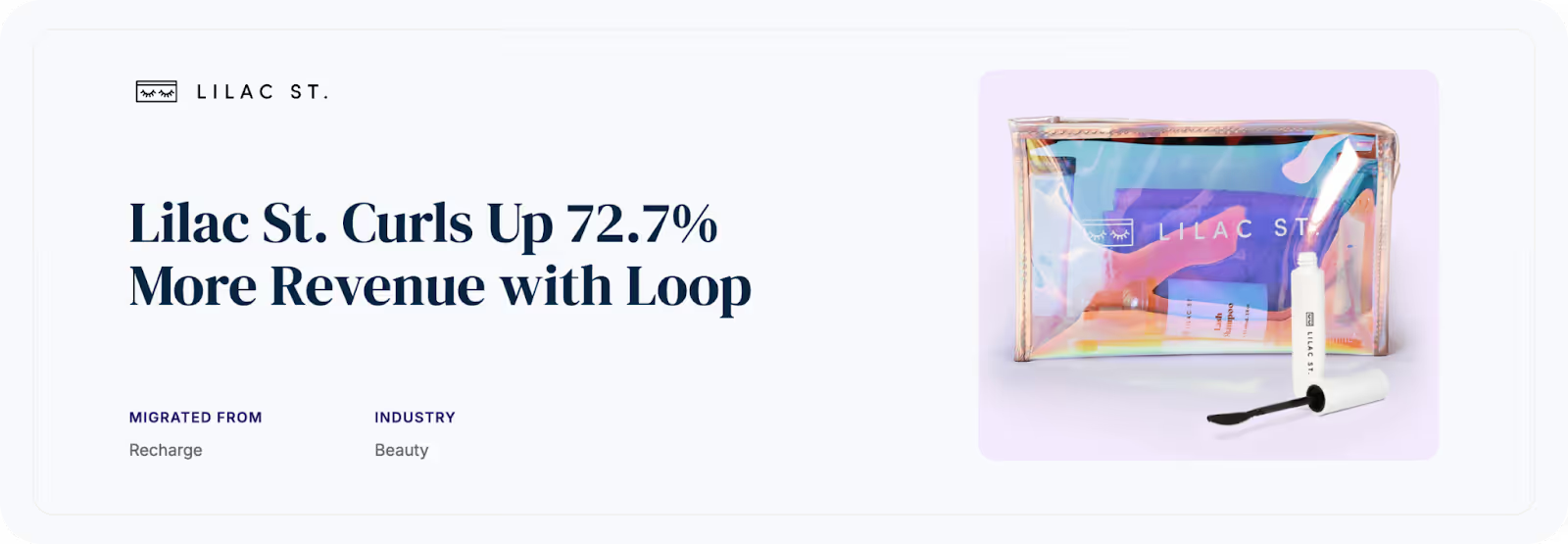
This is how Lilac St. achieved 72.7% subscription revenue growth—customers build lash wardrobes with multiple lengths, and the experience finally matched that behavior.
Loop Flows trigger actions based on subscriber behavior—no code required.
Beauty-specific examples:
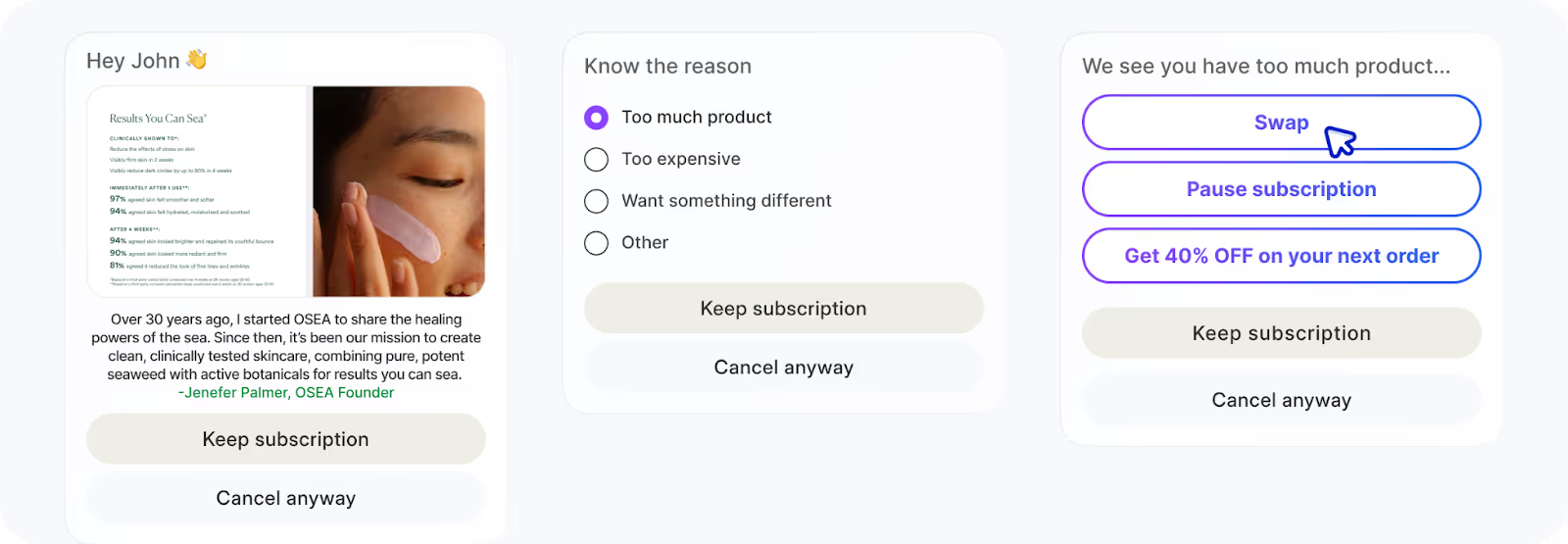
Loop's cancellation flows work in three steps:
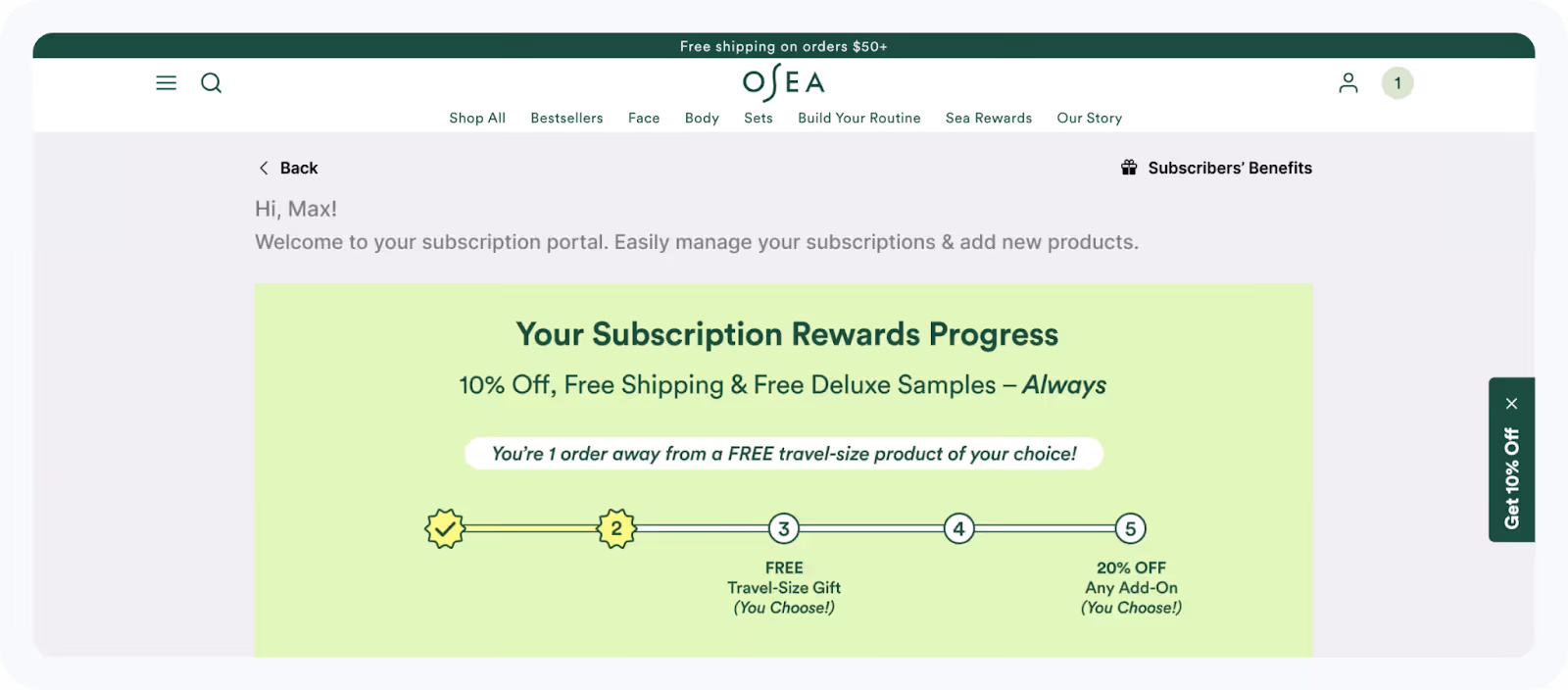
Step 1: Benefits page. Remind them what they're giving up—upcoming rewards, perks, progress. OSEA shows "2 orders away from the free travel set."
Step 2: Reason survey. "Too much product" is different from "too expensive." Generic offers ignore this; Loop responds to it.
Step 3: Personalized offer:
Loop's Customer Portal offers passwordless login and full self-service: swap products, change variants, skip orders, adjust frequency, add one-time items, and see rewards progress.
OSEA uses portal banners showing exactly where subscribers stand in the rewards journey—that visibility helped them cut churn in half.
Loop's Smart Dunning includes intelligent retries (up to 15 attempts), payday-aware timing, quiet background retries, and one-click card updates from email.
Lumin's 12.6% revenue recovery came from this system alone.
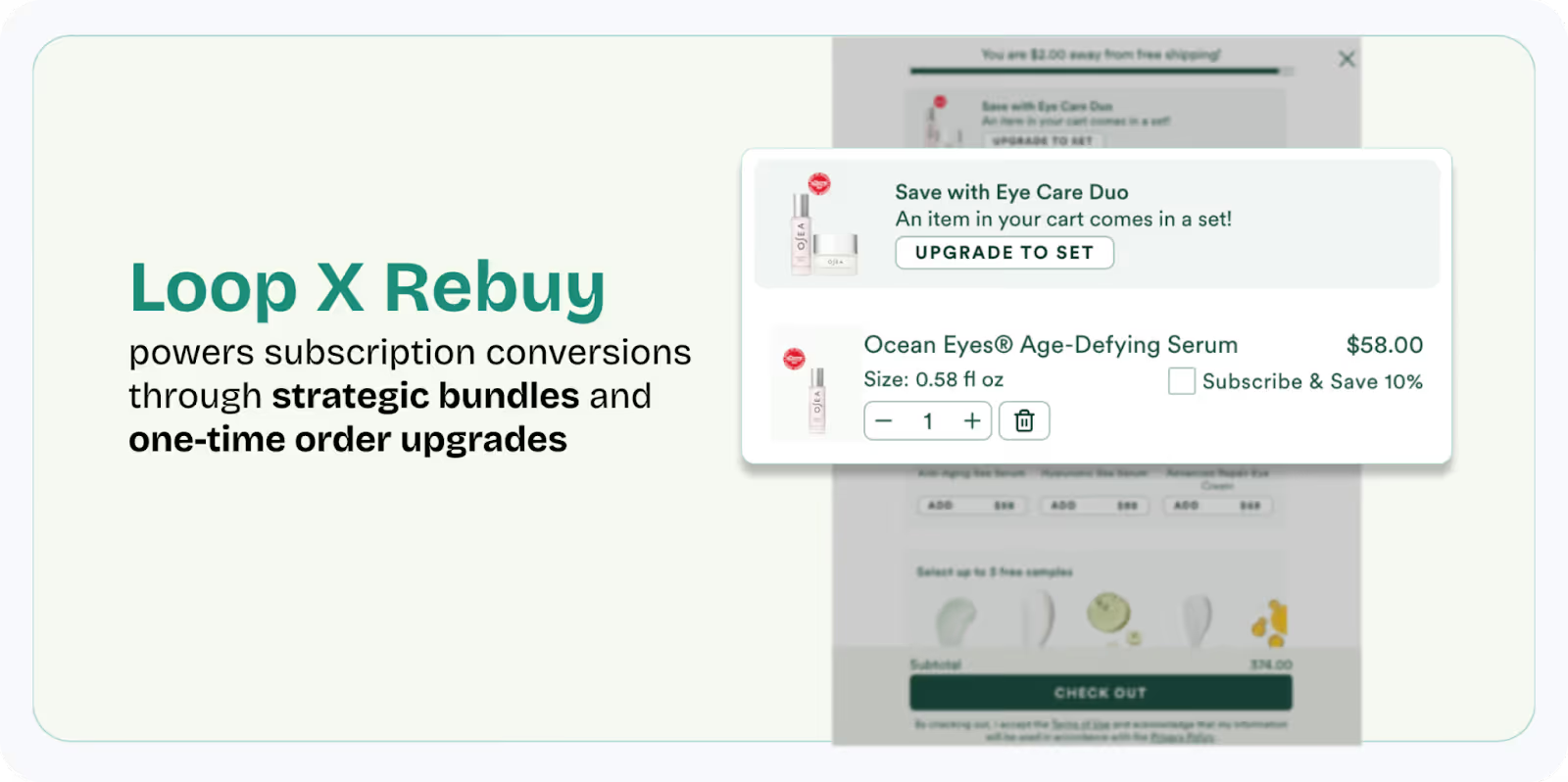
Loop's upsell features show personalized recommendations in the portal and pre-shipment. OSEA grew upsell revenue from 4.5% to 6.8% of total subscription revenue with zero additional acquisition cost.
What they sell: DIY lash extensions in multiple lengths (10mm, 12mm, 14mm, 16mm).
The problem: Their setup showed each lash length as a separate line item. A subscriber with four lengths saw four separate subscriptions to manage.
How they implemented Loop:
During migration, Loop's team discovered and fixed a discount loophole that had been leaking revenue.
The results:
Read the full Lilac St. case study →
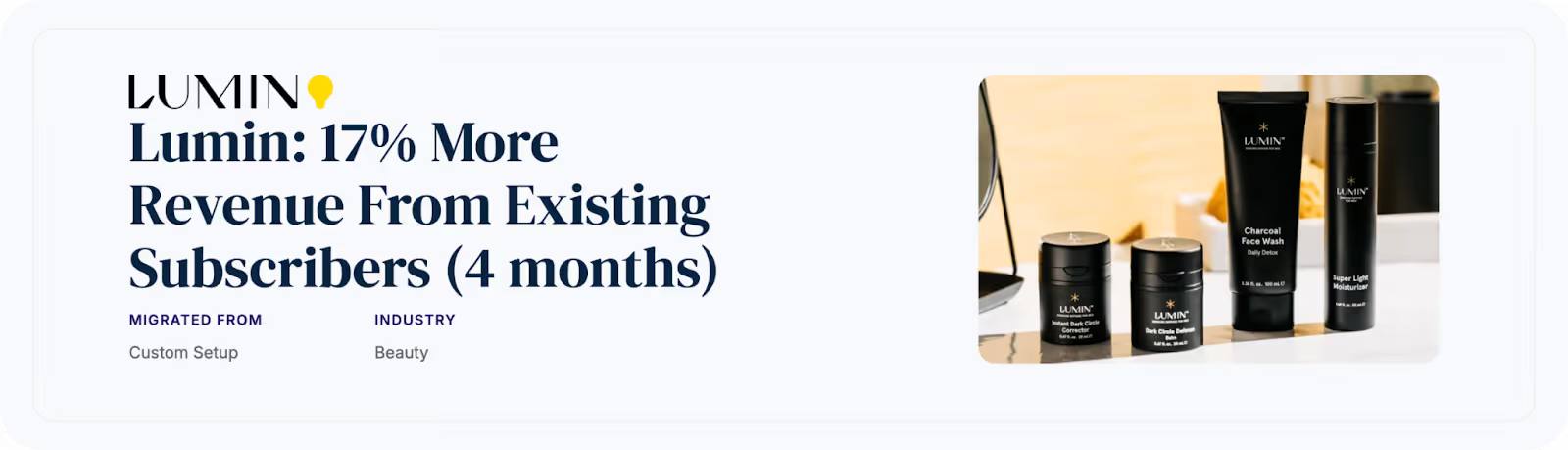
What they sell: Men's skincare—cleanser, moisturizer, dark circle defense.
The problem: The problem: Their trial kit was a great acquisition tool, but converting trialers to full-price required manual work. Failed payments used basic retry logic.
How they implemented Loop:
The results: 17% quarterly revenue increase from existing subscribers:
Read the full Lumin case study →
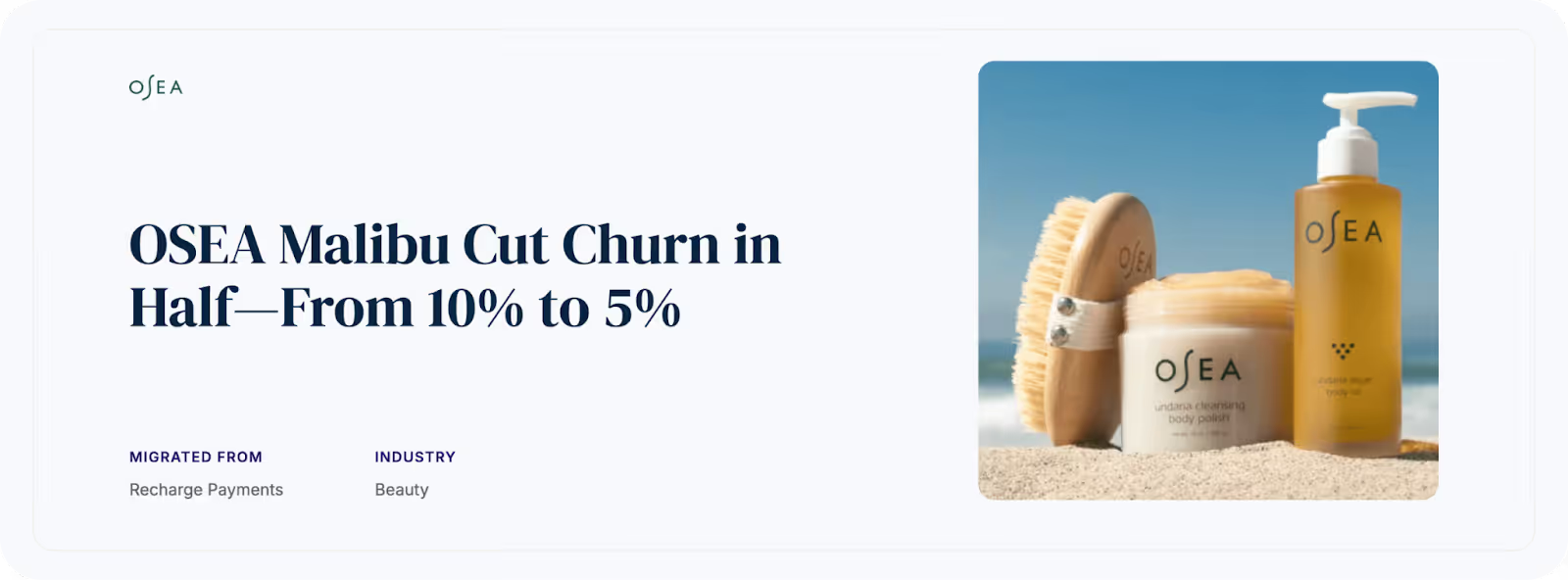
What they sell: Clean ocean skincare—body oils, serums, mists, masks.
The problem: Fewer than 30% of subscribers made it past order 3. Monthly churn sat at 10%. Subscribers couldn't see the value of staying.
How they implemented Loop:
Visual progress in the portal: Progress bars show "2 orders away from free travel set." Banners celebrate milestones and preview what's next.
Tiered rewards: Order 3 (deluxe samples) → Order 6 (travel-size) → Order 9 (full-size gift).
3-layer cancellation flow: Benefits page → Reason survey → Personalized offer based on value.
In-portal upsells: Recommendations based on purchase history.
The results:
Read the full OSEA case study →
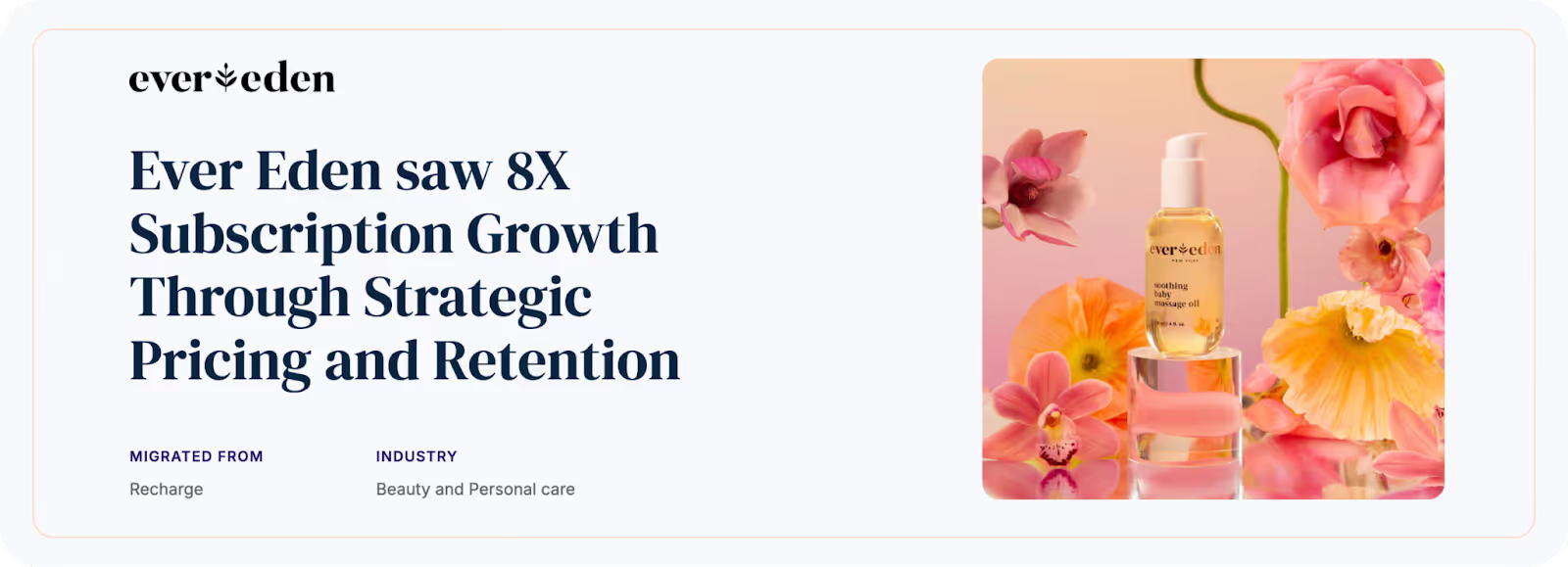
What they sell: Premium baby skincare.
The problem: Aggressive discounts might drive sign-ups but devalue a premium brand. Price-sensitive customers cancel the moment a better deal appears.
How they implemented Loop:
Dual-pricing: 20% off first order, 15% ongoing—acquisition incentive without training customers to expect deep cuts.
Promotional protection: Existing subscribers automatically get sale pricing during promos, preventing cancel-and-rebuy behavior.
Bundle campaigns: Welcome emails promoting bundles drove $80 AOV (30% above typical $60).
Loop Flows: Surprise gifts at milestones to combat second-order drop-off.
The results:
Loop has migrated brands like OSEA without a single customer noticing.
How it works:
Subscribers keep their plans, billing info, and schedules. No action required from them.
What's included:
Pricing:
No per-order fees. Most brands save 40% vs. other subscription apps.




.png)
.png)
.png)